RĀYA RĀMĀNANDA SAṂVĀDA · 11
All cards
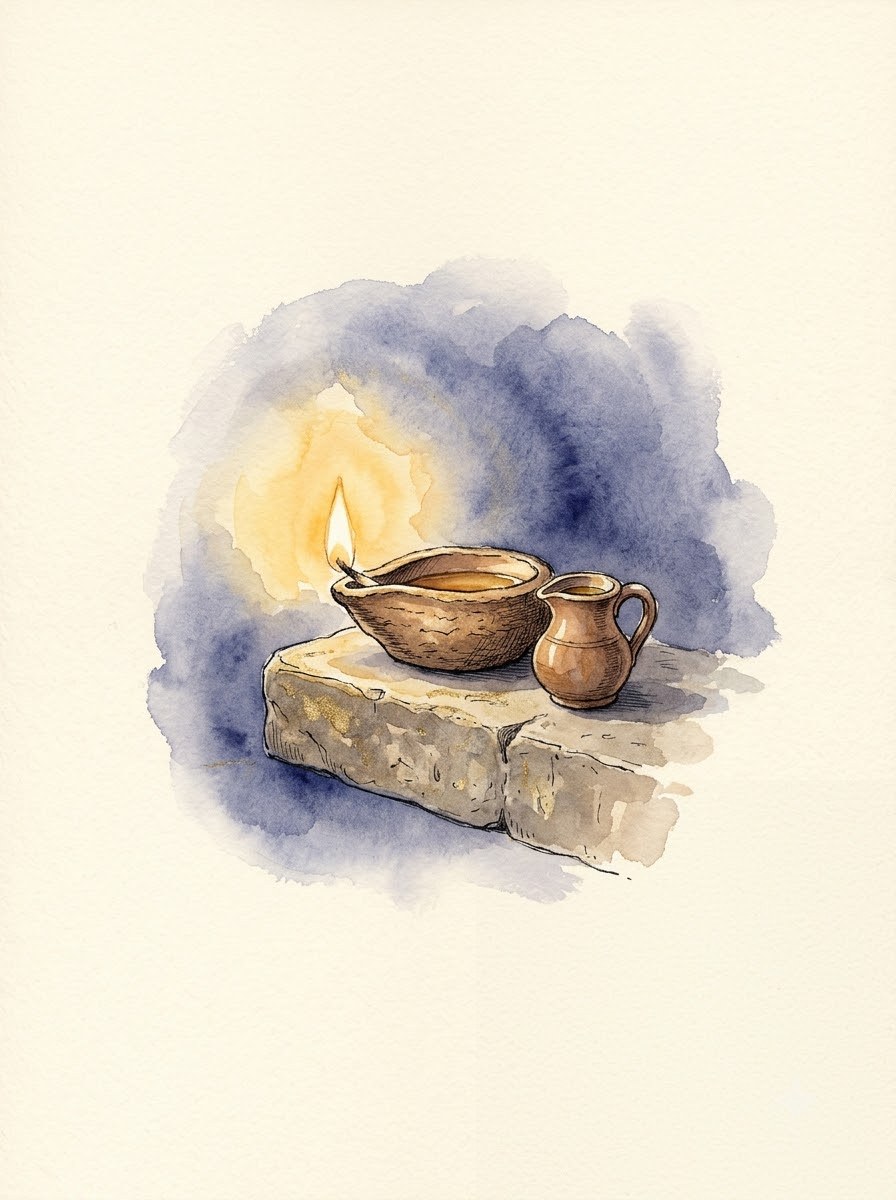
A kiṅkara is one who has a question instead of a name: what may I do for You?
kadāham aikāntika-nitya-kiṅkaraḥ"When will I become the one-pointed, eternal servant" (Stotra-ratna 43 = CC Madhya 8.73)
A kiṅkara is one who has a question instead of a name: what may I do for You?
kadāham aikāntika-nitya-kiṅkaraḥ
"When will I become the one-pointed, eternal servant" (Stotra-ratna 43 = CC Madhya 8.73)
Listen to Gurudev
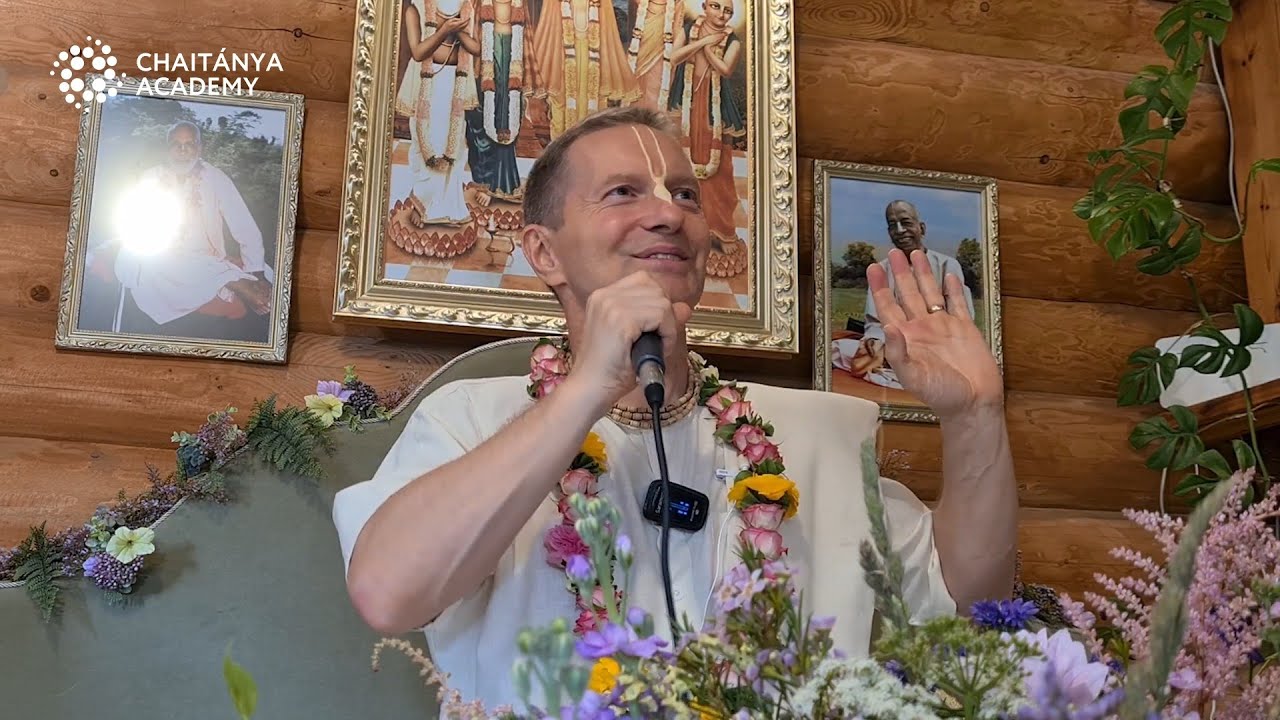
"When will I become your one-pointed, eternal servant? By serving you continuously, my Lord, my heart will become completely peaceful and not disturbed in any way by any other desire."
Rāmānanda introduces the mood of the servant for the first time and offers Yāmunācārya's prayer. Gurudeva opens the word itself: kiṅkara comes from kiṁ karomi, "what can I do for you?" Such a servant carries a question instead of a name, and he asks it not once but continuously. Yāmunācārya does not ask for a meeting or a vision — he asks for a place in the work. And he names the result exactly: the heart grows peaceful not because its desires were fulfilled, but because no other desire is left in it. The lamp at the threshold has burned since evening: the oil was refilled in the night, and no one asked for it.
Today do one thing nobody asked you to do.
Source: Rāya Rāmānanda Saṃvāda · part 03
All cards in the deck
Rāya Rāmānanda Saṃvāda · the ladder of life's goal
Chaitanya Academy